

Markets
Priorities
Drinking water/groundwater treatment
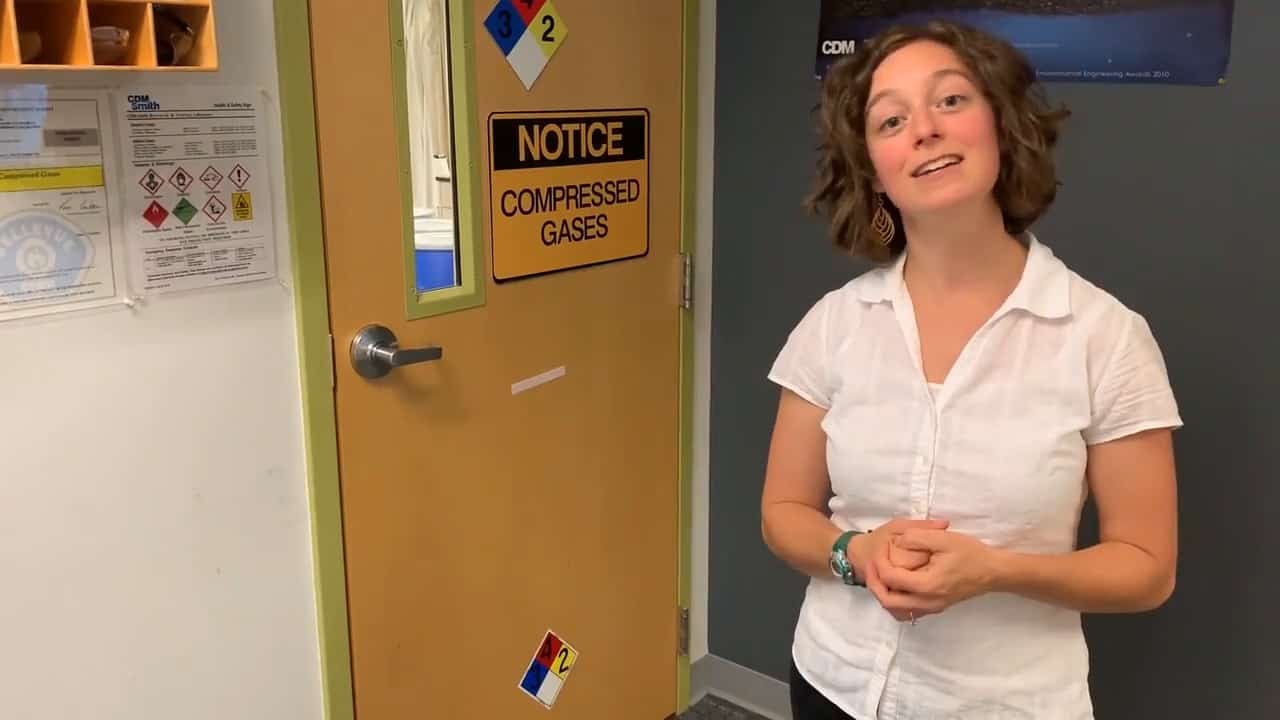
Our Bellevue Research and Testing Laboratory is fully equipped to customize PFAS treatability studies and is actively leading state-of-the-art research and pre-design studies. It is uniquely managed by water treatment process and environmental remediation experts. The synergy of crossing water and environmental practices allows us to identify treatment options and expand our understanding of this complex group of chemicals.
Landfills, wastewater and biosolids
CDM Smith and several research partners released a report called, “Cost Analysis of the Impacts on Municipal Utilities and Biosolids Management to Address PFAS Contamination.” The forecast was stark, projecting a 37% increase in overall costs required to address PFAS.
It is now understood that traditional wastewater treatment and biosolids stabilization processes do not effectively degrade PFAS. That presents a clear problem for utilities that process biosolids for beneficial use. Water Resource Recovery Facilities (WRRFs) have become fertile grounds for PFAS research, due to the important role they play in safeguarding surrounding waterways from contamination.
For the latest scientific findings on PFAS and its affects on wastewater treatment plants, look no further than our collaboration with the Water Research Foundation (WRF).
Fluorinated firefighting foams
Fluorinated firefighting foams, like aqueous film-forming foams (AFFFs), have been identified as a major cause of PFAS contamination. “The problem is decontamination and system compatibility,” says Jill Greene, senior geologist at CDM Smith. There is currently no standard practice for effectively removing PFAS compounds from pumps, tanks, trucks and hangar fire suppression systems.
Water reuse
PFAS are not destroyed through conventional wastewater treatment. They are either discharged through an effluent outfall or partition into biosolids. Furthermore, these outfalls typically have considerable precursor compounds.
Fate and transport
By understanding PFAS distribution, migration and transformation in different environments, we can more accurately predict concentrations based on the sources of PFAS released and environmental conditions. Once we understand how PFAS are distributed in the environment, we need to know how PFAS are migrating from sources to environmental and human receptors in the soil, sediment, air and groundwater.
CDM Smith is on the forefront of understanding how the unique properties of PFAS affect their movement. Our research informs conceptual site models, which in turn inform our understanding of environmental and health risks, selection of remedial technologies and our approach to cost-effective remedial design.
Chemical analysis
PFAS data accuracy is vital for risk assessment and decision making. To that end, we are developing new sampling and analysis methods with the U.S. Department of War and other research partners to improve conceptual site models.
Our research is advancing means and methods for sampling different media, like surface water, without bias, to ensure samples are representative, accurate, and account for different chemical backgrounds. Additionally, we are looking to understand if specific rapid assessment technologies can identify PFAS source toxicities, especially those impacted by aqueous film-forming foam (AFFF). Rapid assessment can help develop more cost-effective quantitative sampling and analysis programs.
Inside Bellevue
with CDM Smith environmental scientist Jennifer Hooper
Curious to learn more?
When you’re ready to apply this thinking, our experts can help.