Skip to Main Content
CDM Smith logo
CDM Smith Site Logo
Project background not configured

Practices

Construction ManagementTransportation DesignConveyance

Markets

Local Government

Priorities

Complete CorridorsLead in Drinking Water

Anyone who has experienced a construction project that disrupted their daily life has probably asked the same question: Why are they digging up this road again?

For Jared Wendorf, civil engineer and project manager in CDM Smith’s Chicago office, this question is at the core of dig-once planning. Drawing on his experience in both water and transportation infrastructure, he has seen firsthand how thoughtful coordination can reduce disruption, create more value and improve long-term outcomes for communities.

Below are six lessons learned from Jared’s experience with dig-once projects and the communities they serve.
White house outline with a heart inside on a blue background

1. Good infrastructure projects start with being a good neighbor

The best infrastructure projects aren't measured only by what gets built; they're measured by how much they affect the people who live, work and travel through a community. When construction is unavoidable, the goal should be to minimize impact.

"What you have to think about to do anything in a dig-once approach or Complete Corridors approach is taking a step back and looking at what's best for the taxpayer or the resident, the customer. How can we do this in a way that's more efficient, that is less disruptive and impacts people and businesses in a less disruptive way?"

White stylized four-way intersection icon on a blue background

2. Every intersection is a lot more complicated than it appears

What appears to be a simple roadway is actually a complex web of ownership, utilities and infrastructure systems. Before agencies can coordinate projects, they first need to understand how many others may be involved.

"We really did have an intersection with one direction owned by the state DOT, one direction owned by the county, one direction owned by the municipality, one direction owned by the township... there could be a dozen organizations at any given intersection that you're dealing with."

White outline of a puzzle piece with accent lines on a blue background

3. The whole can be greater than the sum of its parts

Individually, roadway, utility and broadband projects each have value. But together, they can create even more value by reducing duplication, shortening timelines and minimizing neighborhood disruption in the long run. Combining or aligning projects adds complexity up front, but that investment pays off once the projects are completed.

"You might spend a little more time on that preliminary early-stage work... but you save a ton of time, a ton of money and a lot of trouble."

White dart hitting bullseye on blue background.

4. Sometimes scope creep is exactly what a project needs to succeed

Most project managers hear "scope creep" and immediately think more time, more money and more risk. Dig-once planning challenges that mindset. If a corridor will already be under construction, there may never be a better time to address aging infrastructure, utility upgrades and other community improvements.

"Scope creep is often looked at as a bad thing. But if we're going to do it, let's do it one time. Let's do it right."

5. The most expensive part isn't the pipe

Many people assume infrastructure projects are expensive because the materials are expensive, but the greatest costs most often come from excavation, labor, traffic control and the disruptions caused in the surrounding community. That's why coordinated construction can create substantial savings when it comes to hiring the people who get these jobs done.

"What you're paying for is for people to go out there, set up traffic control, stop traffic for days, weeks, months and then dig holes and install all of this. So all of the costs when you're doing a horizontal infrastructure project like this are labor and installation. It's the manpower part of it. It's not your materials.”

Blue circle icon with a shield and a traffic cone symbol.

6. Think beyond the next construction season

Infrastructure investments can last for decades. The best outcomes happen when agencies, utilities and consultants stop thinking about next year's project and instead start thinking about the next generation of residents who will use the space.

A lot of infrastructure is going to last 30 or 40 years. If you get in there and take care of this now, you could probably retire without ever thinking about this intersection again."

What we’ve learned about dig-once planning

“The joke in Chicago is there’s two seasons: winter and construction season. And that’s pretty accurate, I can tell you,” says Jared. “So how do we minimize that? How do we make people’s lives better?”

That's the central idea behind dig-once planning. By taking a more integrated approach to infrastructure planning, agencies, utilities and private partners can reduce disruption, maximize resources and create longer-lasting value for the communities they serve.

Our transportation, utility, water, wastewater and electrical specialists work together every day to help clients uncover those opportunities. By bringing multiple perspectives to the table early on, clients see the value in thinking beyond the problem at hand and toward coordinated solutions that support communities for decades to come.

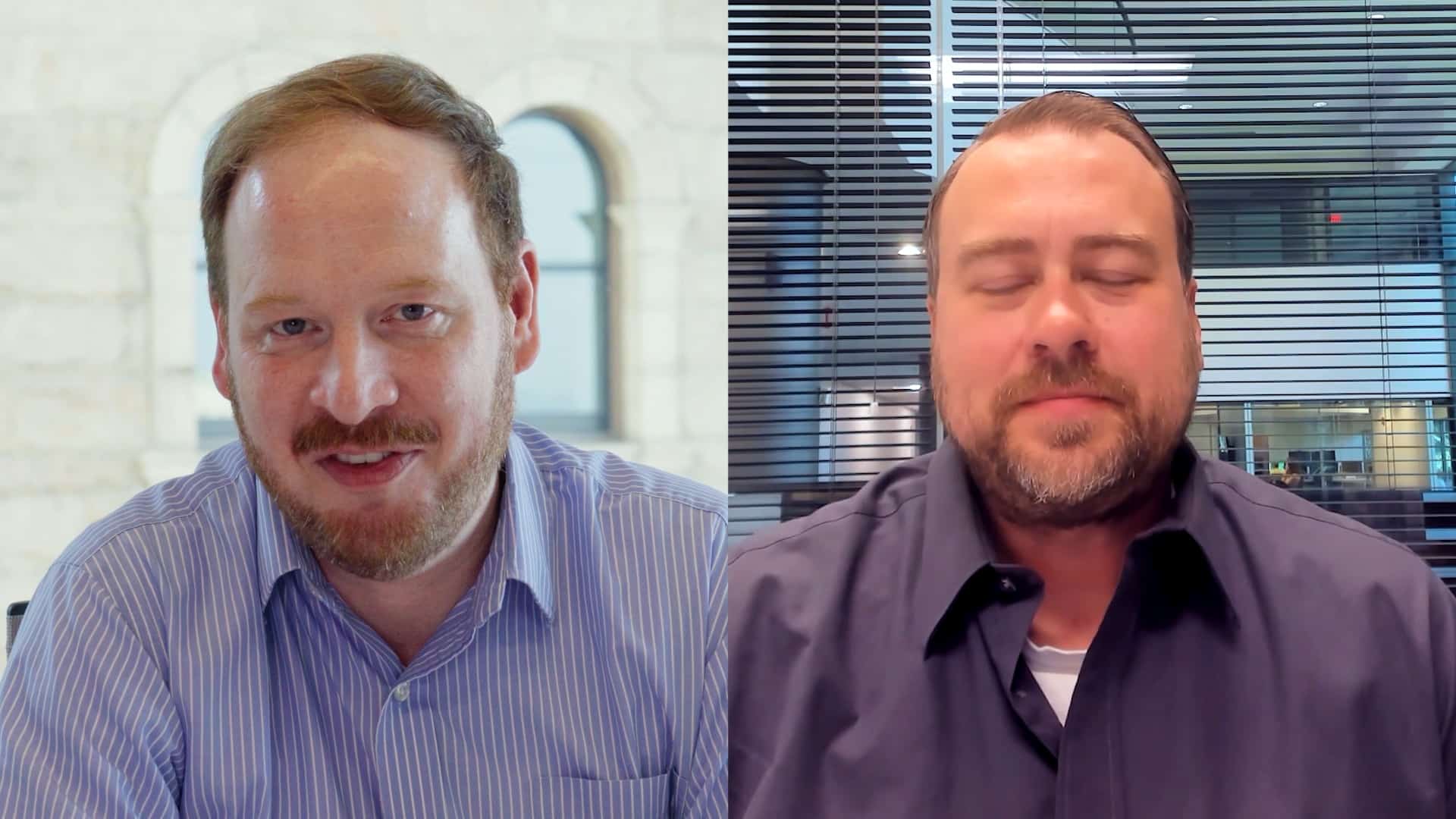
Listen to the full conversation with Jared below to learn more about dig-once planning.

How does "dig once" save money and reduce disruption? 

 
Video thumbnail

Practices

Construction ManagementTransportation DesignConveyance

Markets

Local Government

Priorities

Complete CorridorsLead in Drinking Water

Curious to learn more?

Reach out to an expert to find out how we delivered this project.

Jared Wendorf, PE, PMP

Management Specialist

Jared leads complex water infrastructure programs, with expertise in intake design, conveyance systems, construction management and team leadership.

More resources on this topic

View All Insights
Aerial view of a solar farm beside a highway and fields, with a small residential area in the background.
Insight

Are tollways ground zero for the next wave of renewable energy?

Jonathon Hart, transportation revenue forecasting expert, shares his predictions on how tollways can play a role in the clean energy revolution.
Read More
A bioretention garden with pink flowers and a sign, surrounded by trees and a small house in the background.
Insight

Three tips for recreating natural resiliency with green corridors

Green infrastructure and Complete Corridors are complementary approaches in urban planning that, when integrated, create more sustainable and resilient communities. Here's how you can start developing your own green corridor.
Read More
SunRunner bus at a dedicated transit lane near a Publix and palm trees.
Insight

Breaking down bus rapid transit lane options

We define the benefits and motivations behind the various types of bus rapid transit (BRT) lane types that make traveling by BRT so rapid.
Read More
Glowing digital envelopes on a dark background, symbolizing email communication.

Learn more about Complete Corridors

Find out how forward-thinking communities improve mobility, promote equity and enhance resiliency through our monthly newsletter.

Sign Up
CDM Smith logo

Let’s Build Something Together

Have a project in mind or want to stay in the loop? Reach out to our team or subscribe to get the latest updates from our work.
Contact UsSubscribe

World Headquarters

75 State Street
Suite 701
Boston, MA 02109 USA
What We Do
  • Markets
  • Practices
  • Priorities
  • Projects
  • Innovation and Technologies
Who We Are
  • About Us
  • Careers
  • Cultural Threads Blog
  • Find Us
  • News
Resources
  • Insights
  • Subcontracting
  • Webinars
  • Legal & Terms of Use
  • Privacy Statement
  • Accommodation Request
  • California Privacy Rights
  • Contract Vehicles
CDM Smith™ | CDM™ | WILBUR SMITH™
© 2026 CDM Smith. All rights reserved.